
Skip to content
Mobility Scooters

Over 30 years experience in parts and accessories for electric mobility scooters and wheelchairs.

Need help finding a part?

We can help, and we can order parts not shown on our website.

Friendly looking mobility scooter spares expert

Mobility Scooter Batteries

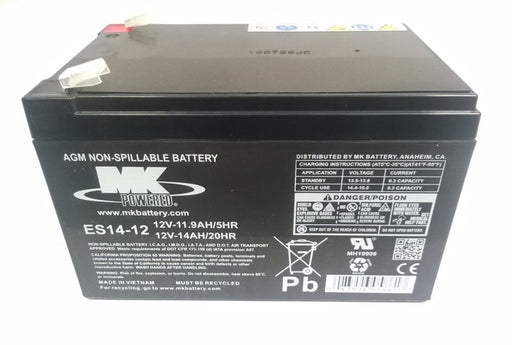
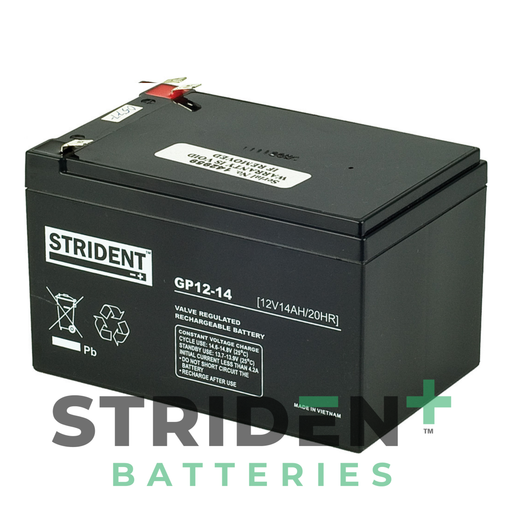
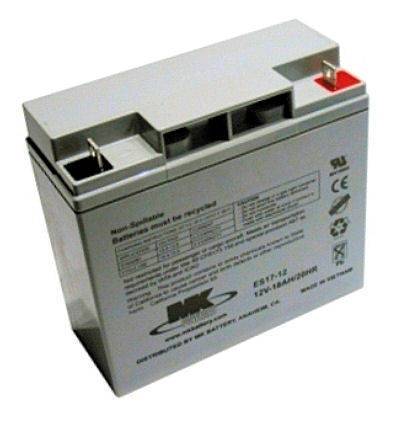
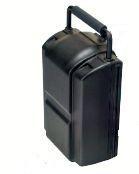
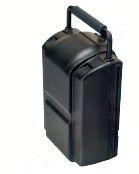
Mobility Scooter Battery

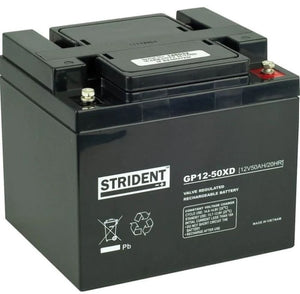
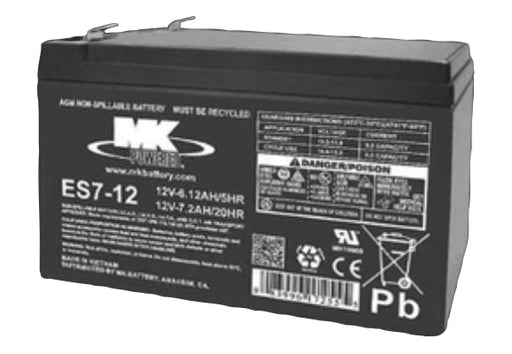
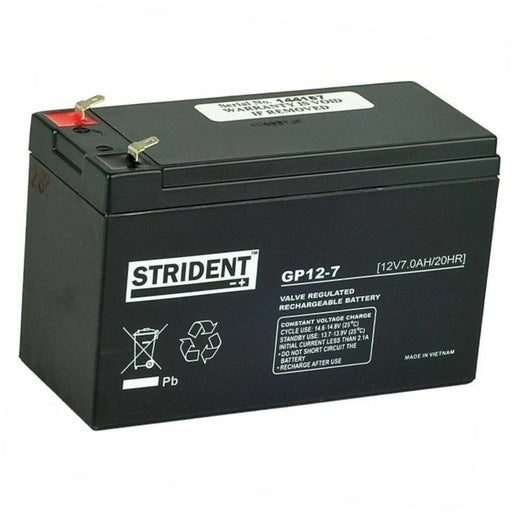
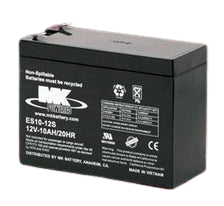
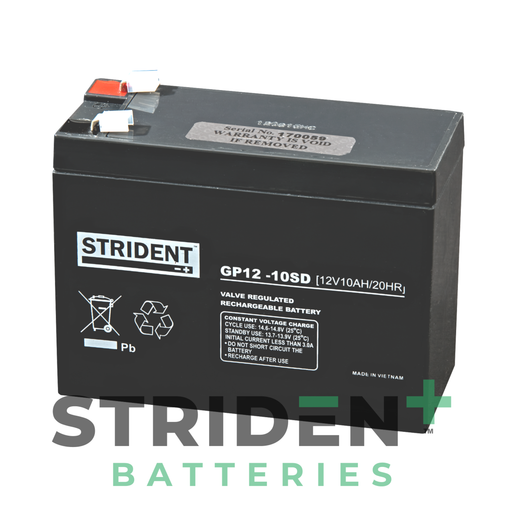
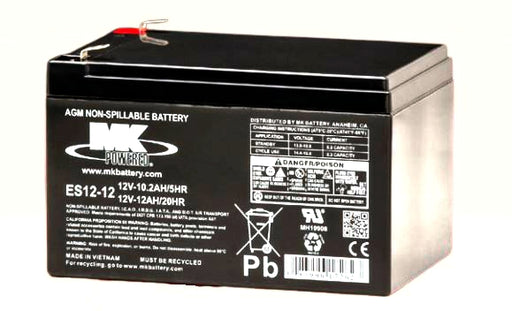
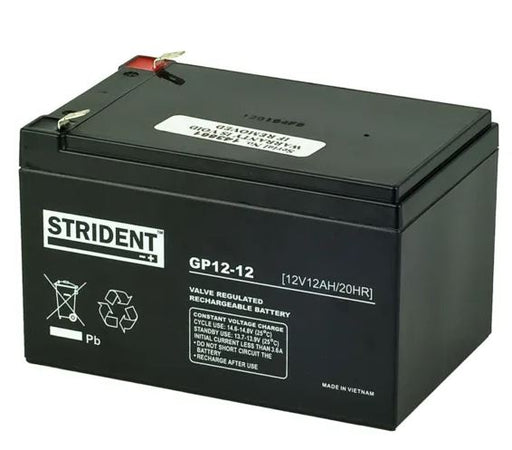
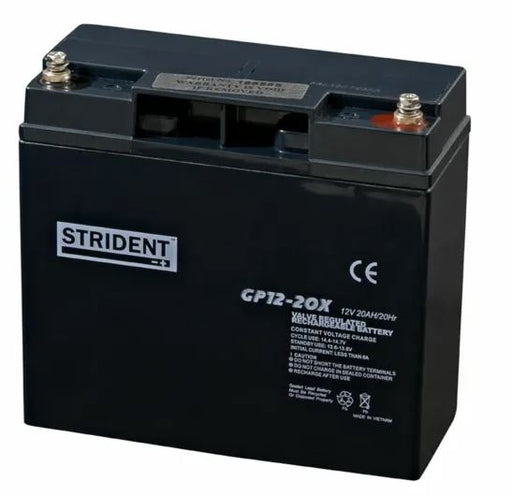
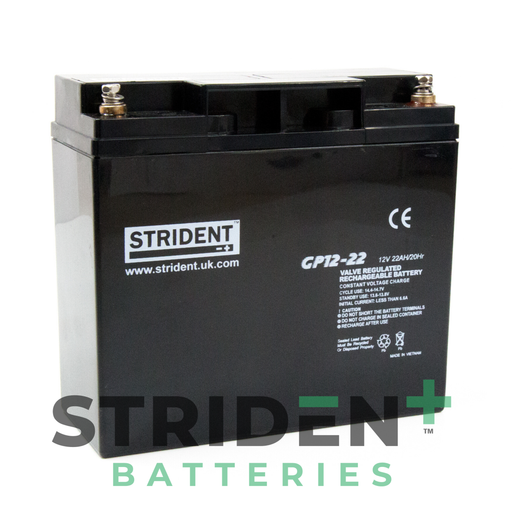
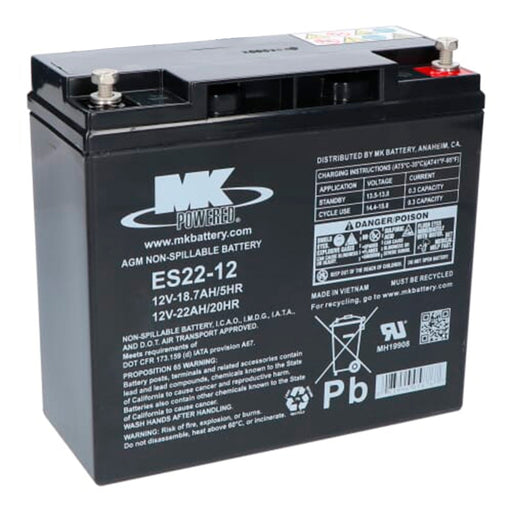
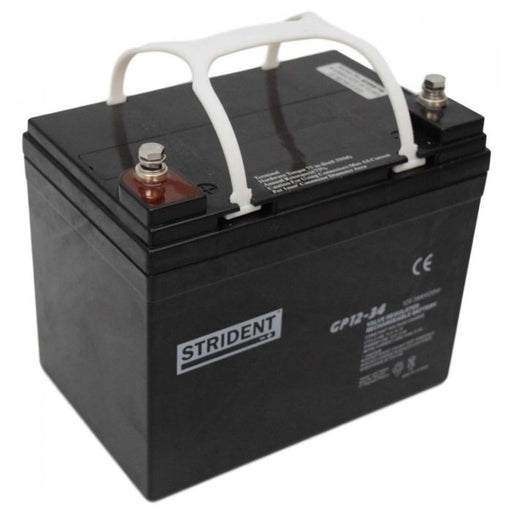
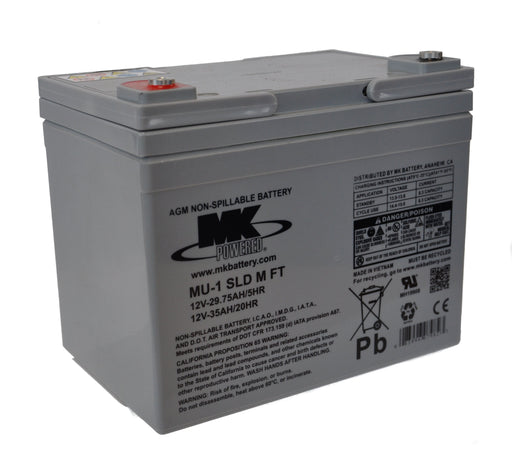
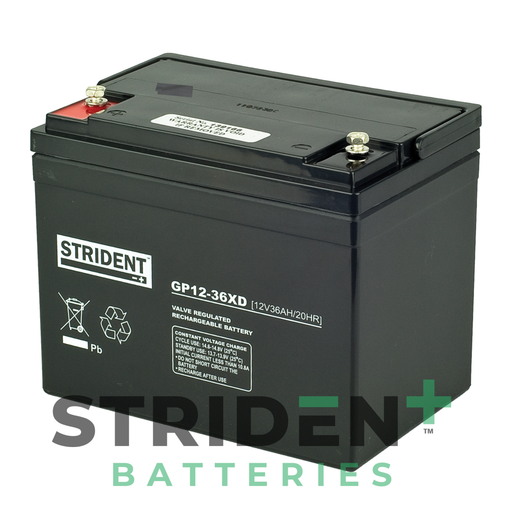
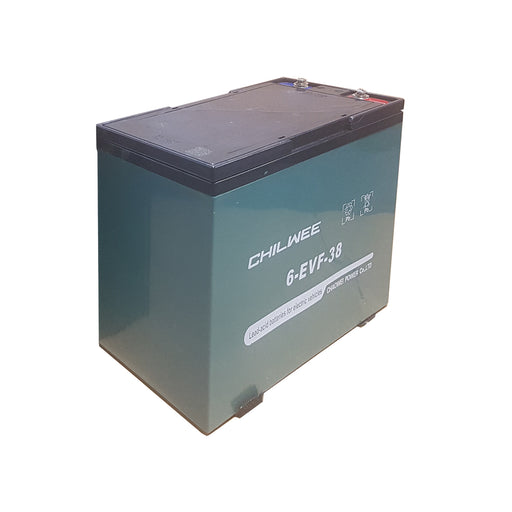
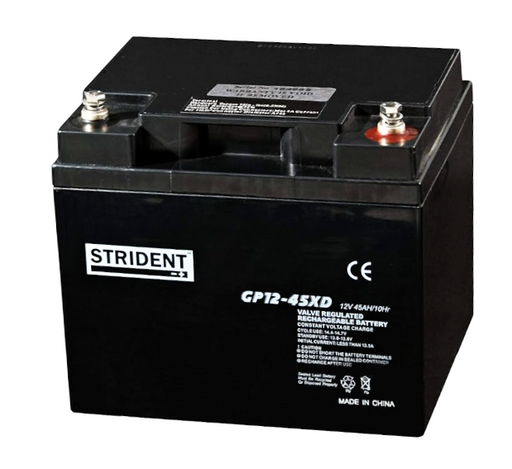
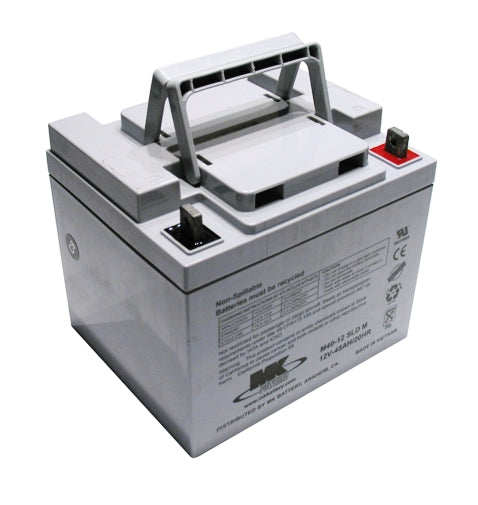
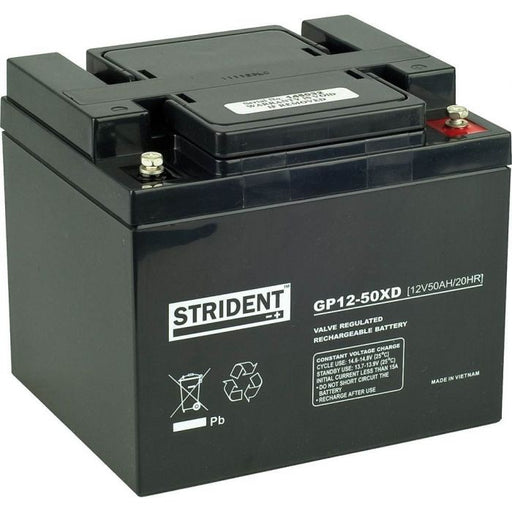
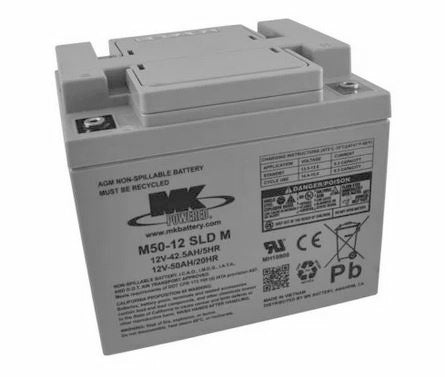
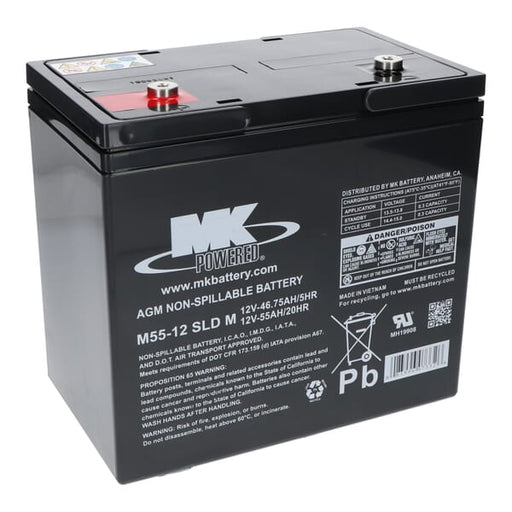
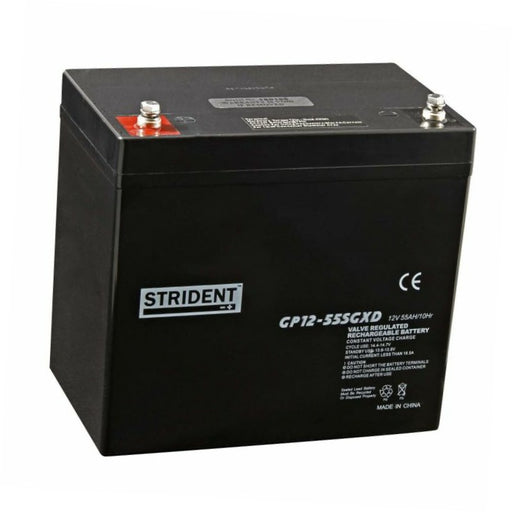
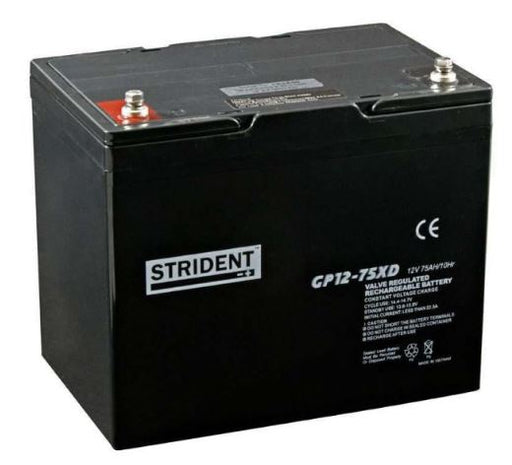
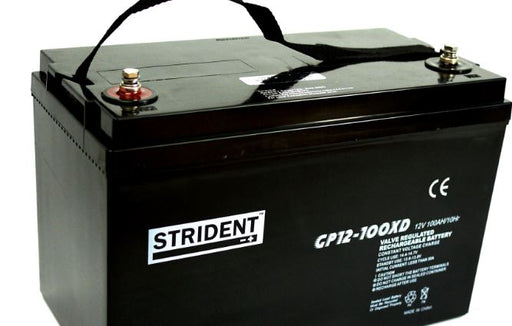
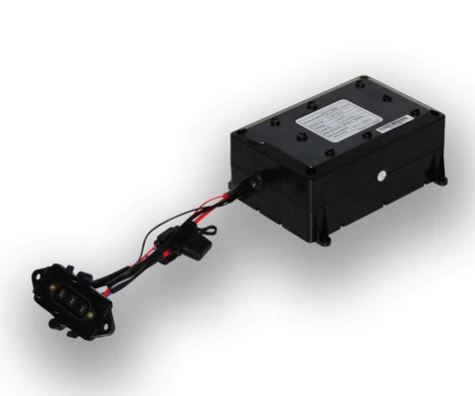
Are you in need of a replacement battery for your mobility scooter or electric wheelchair? We stock batteries for all major brands of mobility scooters, along with scooter battery chargers from 2amp hour to 8amp hour. Mobility Scooter batteries can range from 12v 7ah, 12v 12ah, 12v 35ah, 12v 50ah and right up to 12v 110ah. We can help you find the right replacement battery for your scooter. Simply browse our range below or call our free helpline on 08000 96 12 96 for assistance in sourcing the correct battery or charger. 

Mobility Scooter Batteries Explained: Gel vs AGM, Common Problems & How to Replace Them

One of the most important parts of any mobility scooter is a reliable battery. Whether you use your scooter every day or only occasionally, the battery directly affects your range, performance, reliability and independence.

All mobility scooter batteries wear out over time and will eventually need replacing. Understanding the different battery types, how they work, why they fail and how to replace them can help you get the best performance from your scooter, avoid unexpected breakdowns and choose the right replacement when the time comes.

Most mobility scooters in the UK use either AGM (Absorbent Glass Mat) or gel batteries. Both are sealed, maintenance-free lead-acid batteries, but each has its own strengths. AGM batteries offer excellent value and dependable everyday performance, while gel batteries typically provide a longer lifespan and better deep-cycle performance for heavier daily use. Whichever type you choose, regular charging, correct maintenance and replacing batteries when they begin to fail are essential for keeping your mobility scooter performing safely and reliably.

In this guide from us at Discount Scooters, we’ll explain:

  • The main types of mobility scooter batteries
  • The difference between gel and AGM batteries
  • Common causes of battery failure
  • Warning signs your battery needs replacing
  • How to safely replace mobility scooter batteries
  • Tips to extend battery lifespan

Mobility Scooter Batteries FAQs

What type of batteries do mobility scooters use?

Unlike car batteries, which deliver a short burst of power to start an engine, mobility scooter batteries are designed to provide steady power over a longer period. Most mobility scooters use sealed lead-acid (SLA) deep-cycle batteries.

Many scooters also use two 12V batteries connected together to create a 24V system. The two most common battery technologies are AGM (Absorbent Glass Mat) and gel batteries. Lithium batteries are also becoming more common on lightweight and folding scooters, but AGM and gel remain the standard choice for most mobility scooters in the UK.

What are AGM batteries?

AGM stands for Absorbent Glass Mat. Inside the battery, the acid electrolyte is absorbed into special fibreglass mats rather than remaining as free liquid. This makes AGM batteries sealed, maintenance-free, spill-resistant, and safer for mobility use.

AGM batteries are one of the most popular choices for mobility scooters because they offer Reliable performance, faster charging, lower upfront cost, and good vibration resistance.

They are commonly fitted to travel scooters, mid-size scooters, and everyday mobility scooters. According to battery guides and mobility specialists, AGM batteries are particularly suited to regular daily mobility use because they provide stable power and dependable performance.

What are Gel batteries?

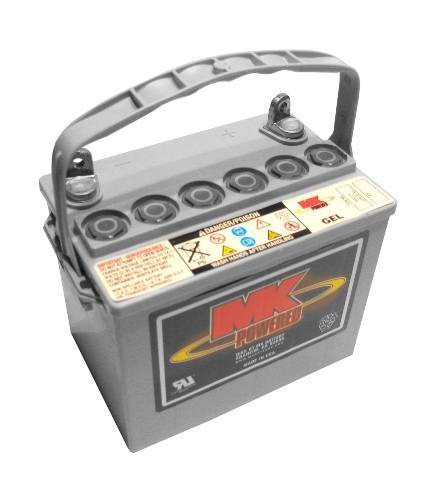
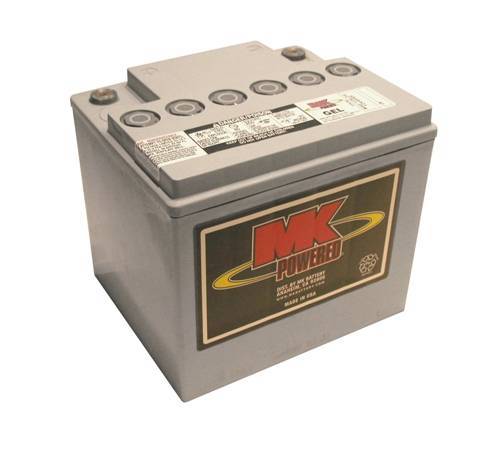
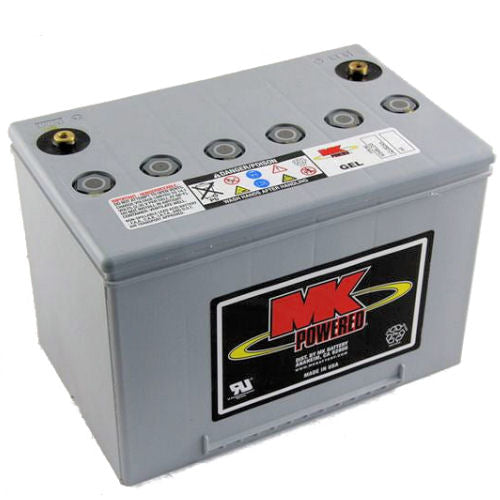
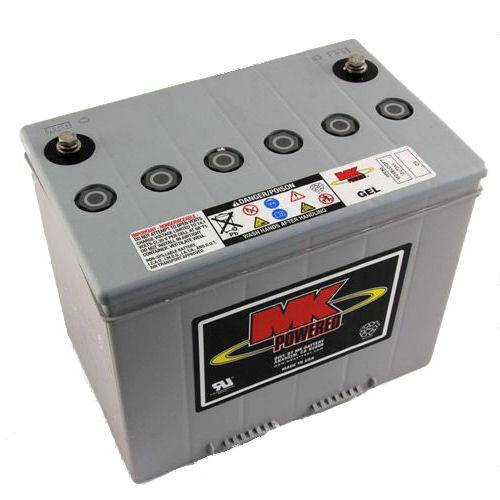
Gel batteries are also sealed lead-acid batteries, but instead of using absorbed electrolyte mats, the acid is suspended in a silica-based gel.

This gives gel batteries several advantages:

  • Better deep-cycle performance
  • Longer lifespan•Better resistance to deep discharging
  • Improved durability under heavy use

Gel batteries are often considered the premium option for mobility scooters and powerchairs because they handle repeated charging and discharging cycles better. They are especially useful for heavy daily users, larger scooters, longer journeys, and outdoor use.

However, gel batteries are usually:

  • More expensive
  • Slightly slower to charge

Gel vs AGM batteries: Which is better?

Both battery types have strengths and weaknesses. The right choice depends on your scooter, usage, and budget.

Feature AGM Batteries Gel Batteries
Cost Lower Higher
Charging Speed Faster Slightly slower
Lifespan Good Excellent
Deep Discharge Resistance Moderate Better
Maintenance Maintenance-free Maintenance-free
Ideal For Everyday use Heavy daily use
Durability Very good Excellent

For many users, AGM batteries offer excellent value and reliable performance. However, if you regularly travel longer distances or use your scooter heavily every day, gel batteries may last longer and provide better long-term reliability.

Why do mobility scooter batteries fail?

All batteries eventually wear out, but several factors can dramatically shorten their lifespan:

1. Leaving Batteries Discharged: One of the most common causes of battery failure is leaving batteries flat for long periods. Mobility scooter batteries should be charged regularly. If left discharged, sulphation can occur inside the battery, permanently reducing performance and capacity. 

2. Infrequent Use: Many people assume that not using a scooter preserves the batteries, but the opposite is often true. Even when unused, batteries slowly self-discharge. If the scooter is stored without charging, the batteries can deteriorate surprisingly quickly.

3. Incorrect Charger Use: Different battery types require different charging profiles. Using the wrong charger or charging mode can damage batteries and shorten their lifespan. Some battery discussions note that gel batteries, in particular, can be sensitive to incorrect charging voltages. 

Always use:

  • The charger recommended by the manufacturer
  • Or a compatible charger designed for your battery type

4. Extreme Temperatures: Very cold or very hot temperatures can affect battery performance and lifespan. Cold weather temporarily reduces range, while excessive heat can permanently damage internal battery components.

5. Overloading the Scooter: Consistently carrying heavy loads or driving on steep hills places additional strain on the batteries, causing them to wear out faster.

6. Old Age: Most mobility scooter batteries last around 12–24 months with regular use; sometimes longer with excellent maintenance. Eventually, all batteries lose their ability to hold a full charge.

What are the signs your mobility scooter battery needs replacing?

There are several warning signs that your batteries may be failing, these include: 

  • Reduced Range: If your scooter no longer travels as far as it used to, battery capacity may be deteriorating.
  • Longer Charging Times: Old batteries often take much longer to recharge fully.
  • Rapid Power Loss: If the battery drains quickly after charging, replacement may be needed.
  • Poor Hill Performance: Struggling on slopes or under load can indicate weakening batteries.
  • Failure to Reach Full Charge: One of the clearest signs of battery failure is when the charger never reaches full charge status.

How do I replace my mobility scooter battery?

Replacing mobility scooter batteries is often simpler than many people expect. However, always consult your scooter manual first.

Step 1: Turn Off the Scooter

Remove the key and ensure the scooter is completely powered down.

Step 2: Locate the Battery Compartment

Depending on the scooter model, the batteries may be located:

  • Under the seat
  • Under a floor panel
  • Inside a removable battery box

Step 3: Disconnect the Batteries

Disconnect the terminals carefully:

  1. Remove the negative (-) terminal first
  2. Then remove the positive (+) terminal

This reduces the risk of accidental short circuits.

Step 4: Remove the Old Batteries

Mobility scooter batteries can be heavy, so lift carefully.

Step 5: Install the New Batteries

Fit the new batteries securely into position.

Always:

  • Match the correct voltage
  • Match the correct Ah (amp hour) rating
  • Replace both batteries together

Most mobility scooters use matched battery pairs for balanced performance. 

Step 6: Reconnect the Terminals

Reconnect:

  1. Positive (+) terminal first
  2. Negative (-) terminal second

Step 7: Fully Charge Before Use

Allow the batteries to fully charge before using the scooter.

Can you upgrade mobility scooter batteries?

In some cases, yes.

Some users upgrade:

  • AGM → Gel
  • Lower capacity → higher capacity

Potential benefits include longer range, improved durability, and better performance. However, always check the compatibility, charger suitability, and manufacturer recommendations. Not all scooters are designed for every battery type.

Tips to Extend Battery Life

To maximise battery lifespan:

  • Charge after every use
  • Avoid leaving batteries flat
  • Store indoors where possible
  • Use the correct charger
  • Keep terminals clean
  • Replace batteries in pairs
  • Avoid long periods without charging

Good charging habits can significantly increase battery lifespan and improve reliability.